Springtime: The Color Font for a Fresh, Playful Aesthetic
There’s a particular feeling that comes with the first truly warm day of the year—a sense of renewal, brightness, and optimism. Translating that feeling into a design project can be a challenge. You can choose a sunny color palette or use floral imagery, but often, the most direct line to that springtime emotion is through your typography. This is where a typeface like Springtime enters the picture. It’s not just a set of letters; it’s a designed asset built to carry the very essence of the season in its form and color.
More Than a Font: Understanding the Color Font Advantage
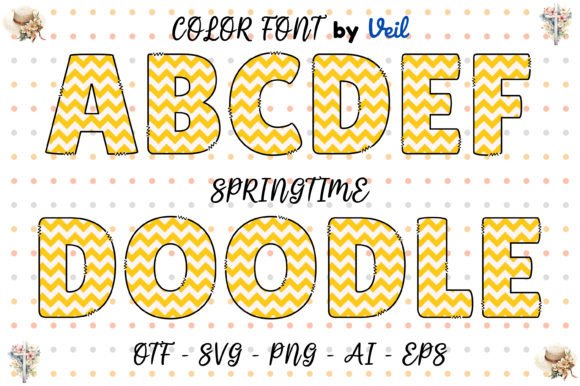
First, let’s clarify what makes Springtime a "color font." Unlike a standard font file that contains simple vector outlines (typically in a single color you choose), a modern color font embeds rich visual data—like gradients, textures, and multiple hues—directly into the file itself. When you type with Springtime, you’re not just getting a pastel pink outline; you’re getting a letterform where the stroke itself might have a soft watercolor wash, a subtle gradient, or even integrated floral patterns. This is a significant leap in modern typography, turning a typeface into a complete visual statement.
The visual personality of Springtime is unmistakable. Imagine the gentle, rounded forms of a friendly sans serif, but infused with a touch of whimsy. The letterforms are lively and slightly playful, avoiding rigid geometry in favor of softer, more organic shapes. The color palette is its defining feature: think of the soft pastels of a garden in full bloom—lavender, mint green, buttercup yellow, and blush pink. These colors are often blended or shaded within the characters, creating a delightful, hand-painted quality. This makes it an exceptionally creative font for projects that need to feel approachable, joyful, and vibrant without being childish.
Where Springtime Truly Blossoms: Practical Applications
The strength of a display font like Springtime lies in its ability to set a powerful mood at a glance. This makes it ideal for specific contexts where a full body of text isn’t required, but high impact is.
- Branding & Identity: For a small business, especially in lifestyle, beauty, artisanal food, or children’s products, Springtime can be a cornerstone of your brand identity. It’s perfect for a logotype or a brand mark for a bakery, a florist, a boutique clothing line, or a wellness blog. The font communicates freshness and care, helping to build immediate brand recognition with a specific audience.
- Packaging & Editorial Design: On product packaging, it shines for headlines on labels, box art, or hang tags. Imagine a jam label, a scented candle box, or a seed packet using Springtime for the product name. In editorial design, it’s a standout choice for magazine cover lines, chapter headings in a lifestyle book, or pull quotes in a blog post.
- Digital & Social Media: In the digital space, its value is immense. Use it for eye-catching social media graphics, Instagram story titles, Pinterest pins, or website hero sections where a short, impactful headline is needed. It grabs attention in a crowded feed and conveys a specific, cheerful vibe instantly. For web design, it’s typically best used in short bursts for titles or calls-to-action rather than for paragraph text.
- Events & Personal Projects: For personal use, Springtime is a designer’s dream for creating invitations, greeting cards, party banners, and custom planners. Its inherent charm makes it perfect for wedding websites, baby shower decorations, or scrapbooking layouts where a personal, crafted touch is desired.
Designing with Intention: Readability, Hierarchy, and Pairing
Using a powerful typeface like Springtime effectively requires a strategic approach. Its very strength—the detailed, colorful, and expressive nature—is also why it must be used judiciously.
Visual Hierarchy and Readability: The first rule is to use it for emphasis, not for large blocks of text. A full paragraph set in a complex color font can be visually overwhelming and difficult to read. Instead, use Springtime for your H1 or H2 headings, a hero title, or a logo. Then, pair it with a highly legible, neutral companion font for body copy. This contrast creates a clear visual hierarchy: the springtime font draws the eye and sets the emotional tone, while the supporting font ensures the message is comfortably communicated.
The Art of the Font Pairing: Choosing the right partner for Springtime is crucial. A clean, geometric sans serif font often works beautifully. The simplicity of the sans serif provides a calm, professional counterbalance to the playful energy of the color font, allowing it to stand out without competition. Alternatively, a simple, understated serif font can create a more elegant, sophisticated pairing, grounding the whimsy of Springtime with a touch of classic formality. Avoid pairing it with another highly decorative script font or handwritten font, as this will create visual chaos and diminish the impact of both.
Evaluating Fit and Licensing: Before committing, ask yourself if the font’s personality aligns with your project’s goals. Is the tone meant to be joyful, fresh, and approachable? If the project calls for seriousness, minimalism, or corporate formality, Springtime likely isn’t the right fit. Always review the font’s included styles—does it have the punctuation and special characters you need? Finally, for any commercial project, you must ensure you have the proper commercial font license. This is non-negotiable. A reputable premium font will come with a clear license outlining permissible uses for both digital and print, protecting you and respecting the work of the type designer.
A Final Thought on Authenticity
In a world saturated with visual noise, a typeface with genuine character can be a powerful tool. Springtime isn’t a generic script font or a standard display font; it’s a curated design asset that brings a specific, positive emotion to your work. By using it thoughtfully—as a headline specialist, a branding accent, or a joyful highlight—you can infuse your projects with the unmistakable vitality and optimism of a perfect spring day. It’s a practical way to elevate your design, connect with your audience on an emotional level, and create something that feels truly fresh and alive.