Kids Chalk Font: A Fresh Take on Classic Schoolhouse Style
There’s a certain nostalgia attached to the simple, dusty mark of chalk on a blackboard. It represents learning, creativity, and a hands-on approach to communication. The Kids Chalk typeface captures this exact energy, offering a premium font that bridges the gap between playful whimsy and professional design needs. It isn't just a standard handwritten font; it is a display font built to command attention while maintaining a welcoming, casual atmosphere.
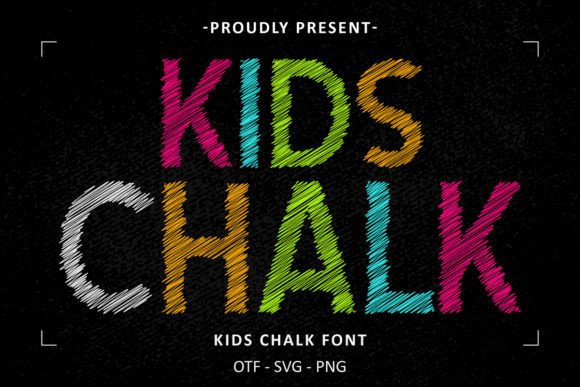
Visually, Kids Chalk mimics the irregular, textured strokes of actual chalk writing. Unlike rigid digital typefaces, this creative font features varying line weights and slightly rough edges, giving your text a tactile, organic feel. It strikes a balance that many designers struggle to find: it is bold enough to be read clearly in headlines, yet retains the charm of a sketch. This makes it an excellent alternative to traditional serif fonts or sans serif fonts when a project calls for personality over formality. If you are looking to move away from the sterile look of standard modern typography, this typeface offers a breath of fresh air.
Real-World Applications for Branding and Marketing
For entrepreneurs and small business owners, selecting the right font is a strategic decision that impacts brand identity. Kids Chalk excels in environments where approachability is key. Consider the food and beverage industry: this font is perfect for restaurant menus, bakery signage, and coffee shop boards. It instantly communicates a casual, friendly vibe that puts customers at ease. Similarly, in packaging design, particularly for organic products or children’s goods, the chalk aesthetic suggests a product that is handmade and authentic.
The utility of Kids Chalk extends well beyond signage. It is a versatile design asset for various marketing materials:
- Logo Design: Create a memorable wordmark for a tutoring service, a toy store, or a creative agency that wants to appear accessible.
- Apparel: It works exceptionally well for t-shirt designs, especially those targeting school events, family reunions, or vintage-inspired streetwear.
- Print Media: Use it for book designs, specifically chapter headings or covers for young adult fiction and educational materials. It also adds a personal touch to greeting cards and stickers.
- Digital Presence: In web design and social media graphics, this font stops the scroll. It is ideal for Instagram quotes, YouTube thumbnails, or blog headers that need a casual touch.
Design Strategy: Pairing and Professionalism
Using a display font effectively requires more than just typing out words; it requires an understanding of visual hierarchy. Because Kids Chalk is expressive, it pairs best with cleaner typefaces. A strong font pairing strategy involves using Kids Chalk for headlines to grab attention, while utilizing a legible sans serif font or a simple serif font for body text. This ensures your content remains readable while maintaining visual interest.
When evaluating this font for your project, consider the tone of your message. It promotes audience engagement because it feels human and imperfect in a digital world. However, for editorial design that requires strict professionalism or high-density information, you may want to reserve Kids Chalk for pull quotes or sidebars rather than the main body copy.
Before finalizing your design, always test the font in context. Check the readability at the size you intend to use it. While it is a commercial font designed for versatility, ensuring it aligns with your specific brand perception is crucial. Review the included styles and glyphs—often, premium design assets include alternate characters or ligatures that can add unique flair to your logo design or headings.
Ultimately, Kids Chalk is more than just a typeface; it is a tool for storytelling. Whether you are a teacher creating classroom materials, a marketer designing a campaign, or a crafter personalizing gifts, this font provides the perfect blend of nostalgia and modern utility. It proves that sometimes, the best way to move forward is to look back at the simple joy of writing on a chalkboard.