Mardi Gras Fleur De Lis: Infusing Festive Energy into Your Brand
Capturing the electric atmosphere of New Orleans during Carnival season requires more than just a color palette; it demands a voice. The Mardi Gras Fleur De Lis typeface is a premium font bundle designed specifically to encapsulate the essence of this festivity. It moves beyond standard typography to offer a vivid, decorative experience. For designers, entrepreneurs, and content creators, this isn't just a set of letters; it is a toolkit for celebration. It offers a distinct personality that balances regal history with street-level party vibes, making it an essential design asset for specific, high-impact projects.
Anatomy of a Celebration: Visual Style and Characteristics
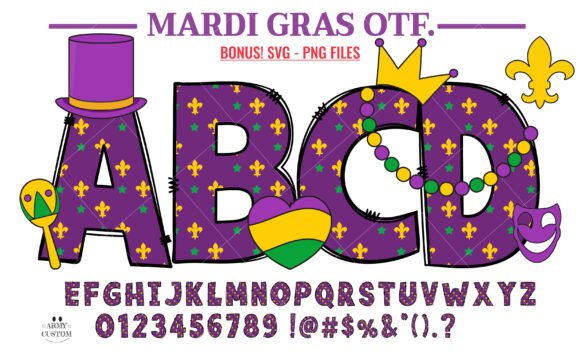
When you evaluate a creative font like this, you have to look past the initial "fun" factor and examine the craftsmanship. The Mardi Gras Fleur De Lis is characterized by its bold, display nature. It is not a workhorse body text font; rather, it is a statement piece intended for headlines and logos. The letterforms are heavily influenced by the visual language of the French Quarter, featuring intricate details that demand a closer look.
The defining feature of this typeface is its integration of traditional patterns. You will notice elements of polka dots and chevron stripes embedded within the strokes of the letters. These aren't static backgrounds; they are woven into the architecture of the font, giving it a sense of movement. Furthermore, the iconic fleur-de-lis symbol is often used as a stylistic alternative for specific characters, allowing you to replace standard vowels or punctuation with the emblematic lily. This level of detail elevates it from a simple script font to a complex visual narrative.
The Tricolor Palette and Embellishments
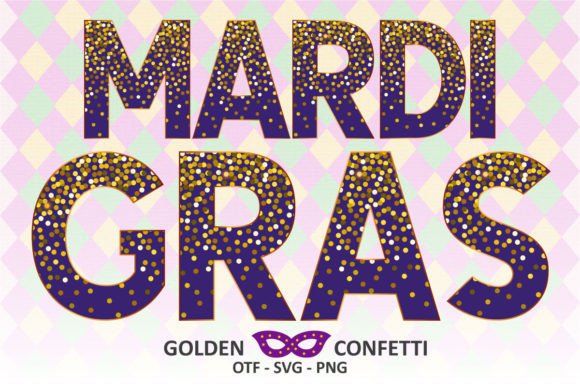
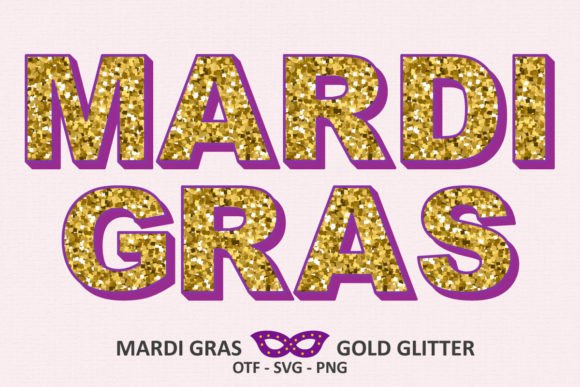
Color is non-negotiable in the Mardi Gras tradition, and this font honors that with pre-rendered hues of royal purple, fresh green, and radiant gold. In the context of modern typography, these colors represent justice, faith, and power, respectively. The font utilizes these shades to create depth, often using shading techniques to mimic the look of satin ribbons or heavy beads.
Beyond color, the font is rich with thematic accents. Imagine a capital letter "T" that morphs into a trumpet, or a period that looks like a dazzling bead. These details include regal crowns and melodic musical notes. For a graphic designer working on a tight deadline, these built-in assets save hours of illustration work. They allow you to add instant flair to social media graphics or packaging design without needing to layer multiple elements manually.
Strategic Applications: Where to Deploy the Font
Understanding where a display font fits into a brand ecosystem is crucial. You wouldn't use the Mardi Gras Fleur De Lis for a legal contract or a technical manual. Its strength lies in its ability to grab attention immediately. Therefore, it excels in environments where visual hierarchy is driven by imagery and emotion rather than dense information.
For small business owners in the food and beverage industry—specifically bakeries, Cajun restaurants, or cocktail bars—this font is a game-changer. It instantly communicates a vibe of indulgence and celebration. Using it for a "Happy Hour" menu header or a seasonal banner creates an immediate emotional connection with the customer. It serves as a visual shorthand for "party starts here."
Digital and Print Ecosystems
In the realm of web design, this font should be reserved for hero images, call-to-action buttons, or specific landing pages dedicated to seasonal events like Fat Tuesday. Because of its intricate details, it renders best at larger sizes. On mobile devices, where screen real estate is limited, the font provides maximum impact in minimal space.
For publishers and editorial design, think about chapter titles for a cookbook or the cover of a travel magazine focused on Louisiana culture. The font pairs surprisingly well with clean, modern layouts. It acts as a counterpoint to minimalism, injecting life into an otherwise sterile grid. Similarly, in packaging design, it works beautifully for limited-edition runs, gift tags, or party supplies where the packaging itself is part of the gift.
The Psychology of Festivity: Brand Perception and Engagement
Typography influences how an audience perceives a brand's personality. When you utilize a premium font like Mardi Gras Fleur De Lis, you are signaling that your brand values joy, tradition, and exuberance. It moves a brand identity away from "corporate stiffness" toward "community and celebration."
However, this influence comes with a responsibility regarding readability. As a decorative typeface, legibility can decrease if the text is too small or the background is too busy. A key strategy for maintaining professionalism is to use this font exclusively for headlines or single-word callouts. Let the font handle the emotion, but let a neutral sans serif font handle the information. This contrast ensures that your message is both felt and understood.
Visual Hierarchy and Recognition
Brand recognition relies on consistency. If you are running a Mardi Gras-themed marketing campaign, using this font across all touchpoints—from email headers to Instagram stories—creates a cohesive visual thread. The brain processes visual patterns quickly; seeing those specific gold and purple flourishes repeatedly builds a mental association with your event or product.
Furthermore, the font encourages engagement. On social media, where users scroll rapidly, a static, standard font often gets ignored. The whimsical nature of the Mardi Gras Fleur De Lis, with its musical notes and crowns, pauses the scroll. It invites the viewer to interact with the content because it feels less like an advertisement and more like an invitation to a party.
Practical Guide: Implementation and Pairing
Adopting a new font into your workflow requires practical testing. Before purchasing or downloading, always view the character map to ensure it supports the specific languages or special characters you need. Once you have the font installed, the real work of integration begins.
The most effective way to use this font is through font pairing. Because the Mardi Gras Fleur De Lis is high-energy and detailed, it requires a grounding partner.
- Pair with a Geometric Sans Serif: A font like Montserrat or Futura provides a clean, modern skeleton that allows the decorative Mardi Gras letters to pop without overwhelming the eye.
- Pair with a Simple Serif: For a more editorial, magazine-style look, combine it with a classic serif like Garamond. This creates a bridge between the historical roots of the fleur-de-lis and modern publishing standards.
- Avoid Other Scripts: Do not pair this display font with a script font or a handwritten font. The visual noise will clash, making the layout look cluttered and unprofessional.
Licensing and Commercial Use
For entrepreneurs and marketers, the legal aspect of font usage is critical. Always verify the licensing terms of the commercial font. Most premium bundles offer a license that covers digital ads, physical merchandise, and website usage. However, if you plan to sell products where the font is the main feature (like a template), you may need an extended license. Treating your design assets with respect ensures your brand remains professional and legally secure.
Conclusion: Embracing the Spirit
The Mardi Gras Fleur De Lis is more than just a typeface; it is a cultural artifact digitized for the modern creator. Whether you are designing a flyer for a local parade, branding a new gumbo shop, or creating digital invitations, this font provides the visual vocabulary of celebration. By respecting its personality—balancing its vibrant details with clean layouts and appropriate sizing—you can harness the joy of Mardi Gras to create designs that truly connect with your audience.