Wiggle-Rainbow: Injecting Vibrant Energy into Your Creative Projects
If you've spent any time scrolling through design inspiration lately, you've likely noticed a distinct shift away from rigid minimalism toward something a bit more organic and joyful. In a digital landscape often dominated by neutral sans serifs and sterile layouts, designers are actively seeking typefaces that feel human and energetic. This is where Wiggle-rainbow enters the conversation. It isn't just a set of letters; it’s a visual exclamation point. As a premium font that blends whimsy with bold color theory, it offers a refreshing solution for anyone trying to break through the noise online and in print.
Defining the Playful Aesthetic
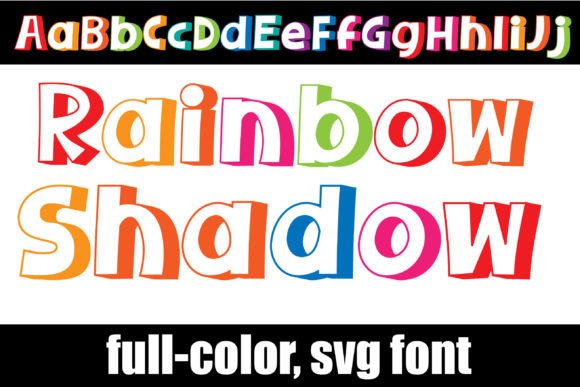
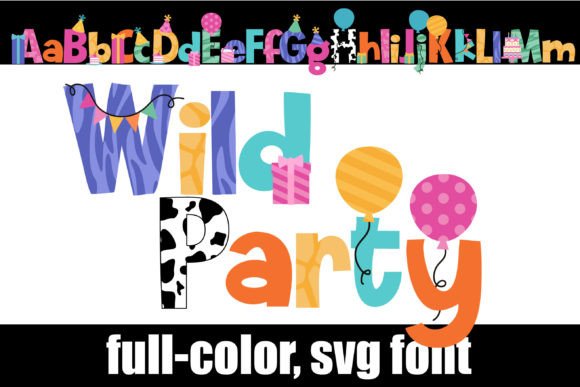
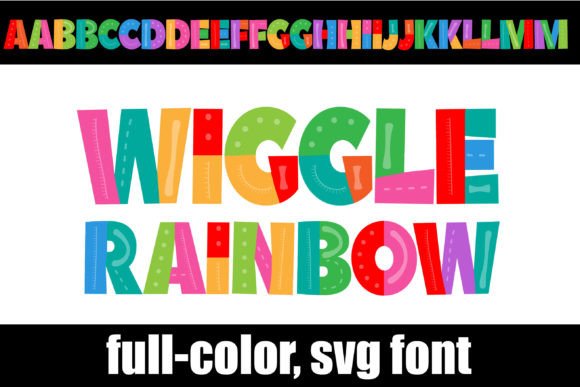
At its core, Wiggle-rainbow is a color font—technically known as a chromatic font. Unlike standard typefaces where you apply a single color to the text, Wiggle-rainbow comes pre-loaded with vibrant hues and gradients. The visual characteristics are defined by a sense of movement; the letterforms appear to dance or vibrate on the page. It avoids the stiffness of geometric shapes, favoring instead a fluid, almost gel-like structure that feels tactile and fun. It occupies a unique space in modern typography, sitting somewhere between a script font and a display font, but with the technical advantage of being a scalable vector graphic.
The personality of this typeface is unapologetically loud. It conveys optimism and creativity instantly. When you use Wiggle-rainbow, you aren't just conveying a message; you are setting a mood. It’s the typographic equivalent of turning up the music at a party. This makes it an exceptional tool for projects that need to feel approachable, youthful, or high-energy without crossing the line into childishness. It manages to look sophisticated in its execution, even while maintaining a playful spirit.
Strategic Applications for Branding and Marketing
Choosing the right typeface is a critical component of brand identity. However, a font like Wiggle-rainbow requires a specific context to shine. It is not a workhorse body text; attempting to read a long paragraph set in a vibrant, wiggly color font would be exhausting for the eyes. Instead, its strength lies in high-impact moments. Think of it as the headline act, not the background music.
For logo design, particularly for startups in the creative, food, or lifestyle sectors, Wiggle-rainbow can be a game-changer. A bakery, a toy store, a podcast for creatives, or a summer festival brand could use this typeface to instantly communicate their vibe. It removes the need for excessive iconography because the letters themselves carry so much visual weight. In packaging design, it works wonders for shelf appeal. Imagine a colorful cereal box or a vibrant energy drink label; the font mimics the product's energy, creating a cohesive experience between the container and the contents.
In the realm of digital projects, the applications are vast. Social media graphics are perhaps the most natural habitat for Wiggle-rainbow. In a feed dominated by static images, a post featuring a bright, textured headline naturally stops the scroll. It’s perfect for Instagram stories, TikTok text overlays, and YouTube thumbnails where grabbing attention in milliseconds is the primary goal. For web design, it should be used sparingly—perhaps for a "Shop Now" button or a hero section headline—but when used correctly, it injects personality into a user interface that might otherwise feel generic.
The Psychology of Color and Form
Why does this font work so well for engagement? It taps into the psychology of color and shape. Bright, multi-hued colors are associated with happiness and energy. The "wiggle" aspect implies movement and life, which our eyes are naturally drawn to. When you pair this with the concept of a display font, you create a focal point that anchors the viewer's attention.
However, this high-energy personality requires balance. This is where font pairing becomes essential. Because Wiggle-rainbow is so expressive, it demands a quiet partner. Pairing it with a clean, geometric sans serif font for body text is usually the safest bet. The simplicity of the sans serif acts as a visual palate cleanser, allowing the headlines to pop without overwhelming the layout. Conversely, pairing it with a traditional serif font can create an interesting contrast between "old world" authority and "new world" playfulness, though this requires a more experienced hand to pull off effectively.
Practical Integration and Licensing
Before integrating Wiggle-rainbow into your next project, there are a few practical considerations to keep in mind. First, always check the technical specifications. Because it is a color font, you need to ensure your software supports OpenType-SVG or similar formats. While modern versions of Photoshop, Illustrator, and most operating systems handle these well, older software might render it as a standard black font or fail to display the colors correctly.
Second, consider the commercial font licensing. If you are a small business owner or a freelancer, you likely have different needs than a large corporation. Ensure the license covers your specific usage, whether that is for print-on-demand products (like T-shirts or mugs) or digital assets. Most premium font licenses are straightforward, but it’s always due diligence to read the terms, especially if you plan to use the font in a logo that will be trademarked.
Finally, evaluate the project fit. Is the audience receptive to playfulness? If you are designing a brand identity for a law firm or a medical clinic, Wiggle-rainbow is likely the wrong choice. But if you are working on editorial design for a youth culture magazine, or creating design assets for a creative workshop, it is arguably the perfect tool. It bridges the gap between professional design assets and the DIY aesthetic favored by many hobbyists and crafters today.
Ultimately, Wiggle-rainbow is more than just a typeface; it’s a creative tool for expression. It allows designers, entrepreneurs, and creators to step away from the safety of beige minimalism and embrace a more colorful, vibrant approach to visual communication. When used with intention, it doesn't just decorate a page—it brings it to life.