Camou: The Bold Military Camouflage Font for Impactful Design
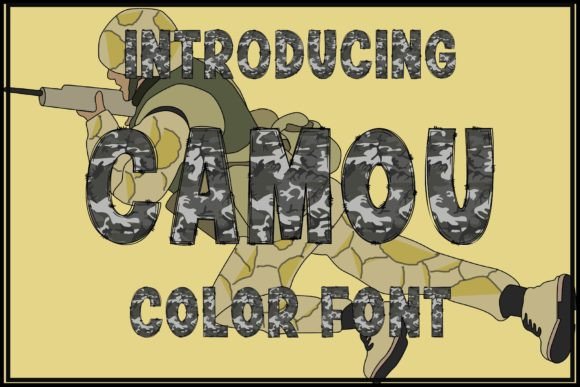
When a design needs to convey strength, strategy, and unmistakable presence, the choice of typography becomes mission-critical. The Camou font steps onto the field as a bold military camouflage typeface, engineered not for subtlety, but for commanding attention. Its defining feature is a striking gray camouflage pattern integrated directly into the letterforms. This isn't a simple texture overlay; it's a fundamental part of the font's DNA, creating a visual metaphor for resilience and tactical precision. The result is a typeface that doesn't just sit on a design—it occupies it, making it an exceptional asset for projects that aim to stand out in a crowded visual landscape.
Where Camou Makes Its Mark: Strategic Applications
The true value of a creative font like Camou is measured by its versatility in real-world projects. Its bold, structured letterforms and inherent pattern make it a natural fit for specific contexts where a strong, thematic statement is required.
In brand identity and logo design, Camou can instantly communicate a brand's core values. For outdoor apparel companies, tactical gear suppliers, fitness brands, or even tech startups emphasizing robustness and security, this typeface becomes more than a name—it's a badge of identity. It works powerfully in logos, wordmarks, and as a headline font on brand guidelines, establishing a consistent and memorable visual tone. The gray pattern ensures the brand looks grounded and serious, avoiding the frivolity that can come with more decorative fonts.
For marketing and advertising, grabbing eyeballs is the first objective. Camou excels in social media graphics, poster designs, and digital banners where a quick, impactful message is needed. Imagine a sale announcement for outdoor equipment or a promotional graphic for a new tactical flashlight; using Camou for the headline instantly sets the context and draws the viewer in. Its high-contrast, patterned texture ensures legibility even at smaller sizes in digital feeds, a practical advantage for busy platforms like Instagram or Facebook.
Within editorial design and publishing, this typeface finds a home in magazines, book covers, and layout design that deals with themes of history, strategy, adventure, or modern warfare. It can be used for chapter titles, pull quotes, or section headers to break up text and add a layer of thematic depth. Paired with a clean sans serif font for body text, Camou creates a dynamic hierarchy that guides the reader's eye and enhances the narrative without overwhelming the page.
Beyond commercial use, Camou is a fantastic tool for personal and creative projects. Crafters can use it for unique vinyl decals, custom apparel, or scrapbooking layouts with a rugged aesthetic. Event planners might consider it for invitations to themed parties or veteran appreciation events, adding a touch of authenticity and respect to the design.
Integrating Camou: Practical Design Considerations
Adopting a display font like Camou requires a thoughtful approach to ensure it enhances rather than dominates your project. Here’s how to leverage its strengths effectively.
Evaluating Project Fit: Before selecting Camou, consider the project's overall message. It is ideal for concepts related to strength, adventure, strategy, outdoor life, and resilience. It may be less suitable for designs requiring a delicate, whimsical, or ultra-minimalist aesthetic. Ask yourself: does a bold, patterned font align with the emotion I want to evoke?
Mastering Font Pairing: The key to using Camou successfully lies in contrast. As a highly stylized premium font, it demands a partner that provides visual rest. Pair it with a simple, neutral sans serif font like Helvetica, Arial, or Open Sans for body copy. This allows Camou to command the headlines while the supporting text remains highly readable. For a different dynamic, a very clean, geometric serif font could work, but avoid pairing it with other decorative, script, or handwritten fonts, as this would create visual chaos.
Testing for Readability and Hierarchy: Always test your chosen font in context. While Camou is designed for impact, check its legibility at the intended size, especially in digital formats. Use it primarily for short, impactful text—headlines, subheadings, logos, and calls-to-action. Let it establish the top of your visual hierarchy, then let a more conventional typeface handle the detailed information.
Understanding the Asset: When you acquire Camou, review what's included. A quality commercial font package often includes multiple styles (like regular, bold, or italic), extensive character sets for international language support, and various file formats. Understanding these design assets ensures you can fully utilize the font across different applications, from web design to print.
Licensing for Commercial Use: This is a non-negotiable step for any professional project. Ensure you have the correct license for your intended use, whether it's for a client's logo, merchandise for sale, or a published work. Respecting the font creator's licensing not only keeps your project legally sound but also supports the ecosystem that allows for the creation of such distinctive typography tools.
In the end, Camou is more than just a set of letters with a pattern. It is a strategic design asset. Its power lies in its ability to inject a specific, potent character into a project. Used with intention and an understanding of its personality, it can elevate a design from ordinary to memorable, ensuring your message doesn't just blend in, but stands its ground with confidence.