Pixel Font: Reviving Retro Charm in Modern Design
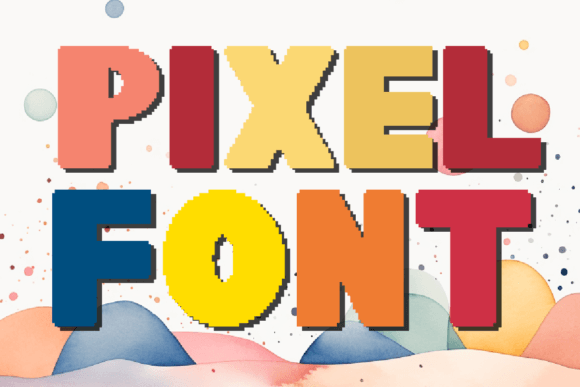
There's a certain warmth to pixel art that immediately transports us back to the golden age of arcade cabinets and early computing. Pixel Font taps directly into that nostalgia, offering a complete set of 26 capital letters and 10 numbers (0-9) designed in that unmistakable blocky, grid-based style. This isn't just a novelty; it's a versatile premium font package that bridges the gap between retro gaming aesthetics and contemporary digital projects. As a designer who often works across branding and digital campaigns, I find myself reaching for fonts with distinct personality more and more. Pixel Font delivers exactly that—a strong, recognizable character that can anchor a design with a sense of fun, authenticity, and technological heritage.
What makes Pixel Font stand out in a sea of creative font options is its perfect balance of simplicity and impact. Each letter and number is constructed with clear, deliberate pixels, ensuring legibility even at smaller sizes on screen. This display font shines in contexts where you need to grab attention quickly, like headlines, logos, or poster titles. Its inherent style makes it particularly effective for projects targeting audiences who appreciate a touch of retro flair—think indie game developers, vintage-inspired brands, tech startups with a playful edge, or content creators focusing on gaming and pop culture. The personality is bold, friendly, and unmistakably digital, making it a fantastic tool for establishing a memorable brand identity.
Practical Applications: Where Pixel Font Truly Shines
Understanding where a font like this works best is key to using it effectively. Pixel Font excels in logo design for brands that want to communicate innovation, nostalgia, or a connection to digital culture. Imagine a streaming service logo, a podcast cover art, or the branding for an independent game studio. Its grid-based construction also makes it surprisingly adaptable for web design, especially for headings, navigation elements in gaming communities, or call-to-action buttons where a retro vibe is appropriate. In social media graphics, it can cut through the noise, making your posts instantly recognizable—perfect for tech tutorials, gaming content, or throwback campaigns.
Beyond digital, consider its use in packaging design for products like retro snacks, craft beers, or hobbyist electronics kits. It can add a layer of authenticity and fun. For editorial design, it might work well in magazine sections about gaming history, technology reviews, or in book covers for sci-fi and cyberpunk genres. The included OTF and TTF files ensure compatibility with all major design software, from Adobe Creative Suite to free alternatives like Canva or Figma, making it a highly accessible design asset for both professionals and hobbyists. However, it's crucial to test it in your specific context. A font that looks fantastic on a gaming website header might feel out of place in a formal corporate report.
Integrating Pixel Font: Pairing, Readability, and Licensing
The real skill in using a distinctive typeface like Pixel Font is knowing how to pair it. Its strong visual character means it generally works best as a headline or accent font, not for long paragraphs of body text. Pair it with a clean, neutral sans serif font for body copy to maintain readability and create a pleasing contrast. For instance, a modern typography sans serif like Helvetica or Open Sans can provide a calm backdrop that lets Pixel Font's personality pop without overwhelming the viewer. Avoid pairing it with other highly decorative fonts like a script font or a busy handwritten font, as this can create visual clutter.
Readability is paramount. While the pixel grid is clear, always test your designs at the actual size they'll be viewed. Check contrast against your background color. For commercial projects, the licensing terms included with your purchase are essential to review. Ensure the license covers your intended use, whether it's for a client's logo, merchandise for sale, or a digital product. The fact that Pixel Font is a commercial font designed with these applications in mind is a significant advantage over many free alternatives that have restrictive or unclear licensing.
Ultimately, Pixel Font is more than just a collection of blocky letters; it's a tool for storytelling. It allows designers, marketers, and creators to inject a specific mood—nostalgic, playful, technical, or retro-futuristic—into their work. By thoughtfully considering its strengths, testing its application in your projects, and pairing it wisely, you can unlock its potential to make your designs more engaging, recognizable, and full of character. It’s a valuable addition to any designer's toolkit for projects that call for a touch of digital heritage.