Halloween Bone Yard: Unleash Eerie Visions with This Type
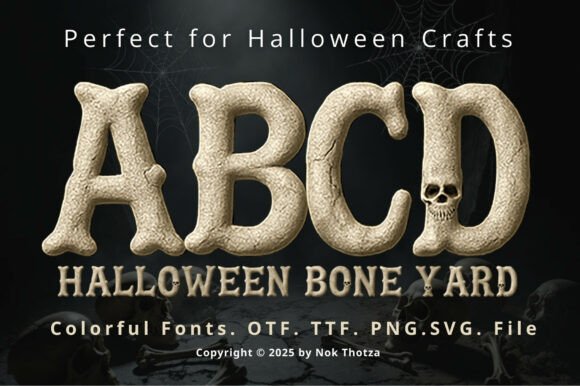
If you are looking to create a visual experience that feels tactile, gritty, and undeniably terrifying, typography is your first line of defense. While clean sans serif font choices work for corporate reports, they fall flat when you need to evoke the atmosphere of a haunted crypt. This is where Halloween Bone Yard enters the picture. It is not merely a collection of letters; it is a visual statement. Designed with intricate bone textures, exposed marrow, and subtle skull details, this typeface bridges the gap between readable text and horror illustration. For designers, marketers, and content creators aiming to capture the spirit of the season, understanding how to wield this specific style of display font is essential for standing out in a crowded market.
The Anatomy of a Horror Typeface
At its core, Halloween Bone Yard is a premium font characterized by its bold, three-dimensional appearance. Unlike standard serif font families that rely on ink traps and bracketed serifs for structure, this typeface relies on organic irregularity. The letterforms appear as though they have been constructed from femurs, rib cages, and jagged bone fragments. This textural approach gives the font a high-impact personality that commands attention immediately.
When evaluating modern typography, we often look for versatility. However, decorative fonts like this operate differently. Their strength lies in their specificity. The "eerie" factor comes from the depth created by the 3D styling; the letters cast shadows and occupy space, making them pop off the page or screen. This is particularly valuable in logo design for seasonal events or horror-themed brands. The visual weight of Halloween Bone Yard ensures that even a single word carries significant gravitas. It communicates a mood instantly—danger, spookiness, and fun horror—without needing additional supporting graphics.
Strategic Applications for Maximum Impact
Knowing what a font looks like is one thing; knowing where to put it is the practical skill that separates a hobbyist from a professional. Because Halloween Bone Yard is a creative font with high visual density, it functions best as a headline or focal point. Trying to use it for long-form body copy would result in visual fatigue, as the intricate details are harder to process in small sizes.
Here are specific scenarios where this typeface excels:
- Event Branding and Invitations: For Halloween parties or haunted house attractions, the font sets the expectation of the event. It transforms a standard invitation into a prop. The packaging design for event favors or treat bags also benefits from this spooky aesthetic.
- Editorial Design and Publishing: Magazine covers or book chapter headings in the horror genre require a strong visual hierarchy. Using Halloween Bone Yard for headers paired with a clean sans serif font for the body text creates a professional contrast that aids readability while maintaining the theme.
- Digital Marketing and Social Media: In the fast-scrolling environment of social media, you have milliseconds to capture attention. Bold social media graphics featuring this font can stop the scroll. It works exceptionally well for YouTube thumbnails, Instagram stories, and promotional banners for seasonal sales.
- Merchandise and DIY Crafts: For small business owners selling t-shirts, mugs, or stickers, this font offers a "ready-to-print" quality. Its detailed texture mimics hand-drawn art, adding value to the final product.
Influence on Brand Identity and Perception
Typography is the voice of your brand. When you choose Halloween Bone Yard, you are making a deliberate choice about brand identity. You are signaling that your brand embraces the macabre, the playful-spooky, or the high-energy thrill of Halloween. This consistency is vital. If your marketing materials use a sophisticated script font one day and a gritty bone font the next without a strategic transition, it can confuse your audience.
However, when used consistently for seasonal campaigns, this font builds recognition. Your audience will associate the visual style of the text with the excitement of the holiday season. It influences engagement by creating an emotional response; the font feels immersive. It adds a layer of professionalism to DIY projects and helps entrepreneurs in the horror niche establish a visual language that resonates with their target demographic.
Practical Integration: Pairing and Readability
Integrating a highly stylized display font into a layout requires a balancing act. The most common mistake in web design and print is pairing a decorative font with another complex typeface. For example, pairing Halloween Bone Yard with an elaborate handwritten font or a heavy script font creates visual chaos. The viewer won't know where to look.
The best approach is contrast. Use a geometric sans serif font or a clean, legible serif font for your supporting text. The simplicity of the secondary font allows the complexity of the bone texture to shine without overwhelming the layout.
When testing your font pairing, consider the scale. Halloween Bone Yard is designed to be viewed at larger sizes. If you need to use it on a smaller scale, check the legibility of specific letters, such as the distinction between a lowercase 'a' and 'o', or 'I' and 'l'. If the details become muddy at small sizes, reserve the font strictly for large headers and use your secondary typeface for sub-headlines.
Licensing and Asset Management
For designers and business owners, the technical side of typography is just as important as the aesthetic. Before downloading any design assets, you must verify the licensing. Is it a commercial font license? Does it cover digital goods (like templates sold on Etsy) as well as physical merchandise (like printed t-shirts)?
High-quality premium font families often include various styles or weights, such as a regular, italic, or outline version. Reviewing these included styles is crucial because they offer flexibility. An outline version of Halloween Bone Yard, for instance, could be used as a background element or a container for text, adding depth to your editorial design or poster layout.
Ultimately, Halloween Bone Yard is more than just a seasonal novelty. It is a specialized tool in your typographic toolkit. By respecting its visual weight, pairing it with complementary typefaces, and applying it to the right contexts, you can elevate your Halloween-themed projects from amateur sketches to polished, professional designs that capture the imagination of your audience.