Green Land: Bringing a Fresh, Natural Vibe to Your Designs
What Exactly is This Creative Font?
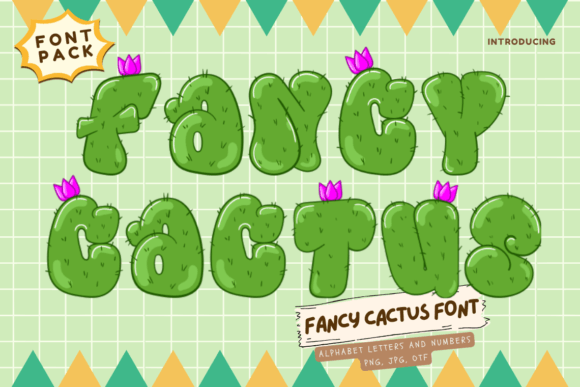
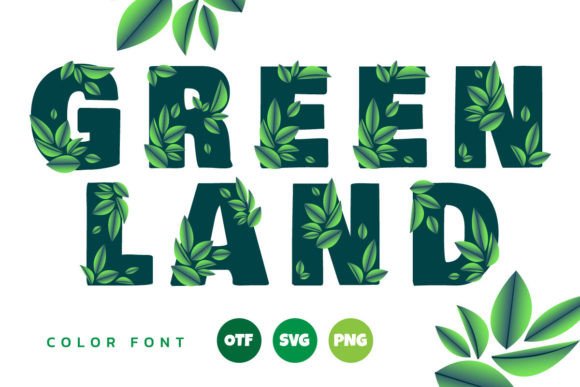
You know that feeling when you step into a forest after a long week? That immediate sense of calm and clarity? That is precisely the emotion Green Land is engineered to evoke. At its core, Green Land is a display font that captures the essence of nature through its typography. It isn't just a set of letters; it is a design asset that mimics the flow of organic growth. Unlike the rigid geometry of a standard sans serif font, this typeface brings a deep, verdant hue—often used as a color font—that suggests lush landscapes and vitality.
The visual characteristics are distinct but not overwhelming. It features curves that feel organic, avoiding the sharp, aggressive angles found in many modern tech typefaces. The overall personality is one of tranquility and health. It feels like a blend of a refined handwritten font and a stable structural base, making it readable while still maintaining that essential artistic flair. If you are working on a project where you need to communicate "freshness" or "eco-friendly" without using a single icon, Green Land does the heavy lifting for you.
Where Green Land Shines: Practical Applications
As a designer or business owner, you might wonder where a font with such a specific personality fits best. The answer lies in its versatility within niche markets. Because Green Land is a premium font, it offers a level of polish that free alternatives simply cannot match, making it ideal for professional-grade projects.
Here is where you will get the most out of this typeface:
- Branding and Identity: If you are building a brand identity for an organic farm, a yoga studio, or a sustainable clothing line, this font is a perfect anchor. It establishes a visual language of wellness immediately.
- Packaging Design: Imagine this on a bottle of cold-pressed juice or a packet of herbal tea. The packaging design needs to shout "natural ingredients," and Green Land provides that voice instantly.
- Editorial and Publishing: For editorial design, specifically magazine headers or blog titles focusing on travel, gardening, or wellness, it adds a cinematic, immersive quality.
- Digital and Social Media: In the fast-scrolling world of social media graphics, you have milliseconds to catch attention. A bold, green-hued header using Green Land stops the thumb. It is equally effective for web design hero sections.
The Psychology of Color and Shape in Typography
Why does this specific creative font work so well? It taps into color psychology and shape association. The deep green hue is universally associated with balance, growth, and safety. When combined with the soft, flowing lines of the letterforms, it creates a subconscious feeling of trust in your audience.
This is crucial for marketing materials. Whether you are crafting an email campaign or a billboard, the font influences how your message is received. A harsh, blocky font might convey urgency or industrial strength, but Green Land conveys care and quality. It helps in establishing a hierarchy where the header feels organic and inviting, drawing the reader into the body text—which is typically set in a cleaner serif font or sans serif font.
Font Pairing Strategies
One of the biggest challenges with display fonts is finding the right partner for them. You cannot set a 500-word article in Green Land; it would be exhausting to read. You need a supporting cast.
For logo design, Green Land can stand alone or be paired with a simple, geometric sans serif for the tagline. For web design, I recommend pairing it with a highly legible, neutral font like Open Sans or Lato for the body copy. This contrast ensures that the "nature" vibe is present without sacrificing readability. If you are going for a more traditional look, a classic serif font like Garamond can bridge the gap between the organic header and the formal body text.
Making the Decision: Is Green Land Right for Your Project?
Before you commit to using Green Land for your next big launch, you need to evaluate the fit. Not every project calls for a nature-centric aesthetic. If you are designing a fintech dashboard or a heavy industrial manual, this font is likely the wrong choice. However, for the right project, it is a game-changer.
Here is a checklist for evaluating the fit:
- Test the Pairing: Don't just look at the font in isolation. Mock it up next to your body copy and your imagery. Does it clash with your photos, or does it harmonize?
- Review the Styles: Check what is included in the license. Does it have the weights you need? A good commercial font usually comes with variations (light, bold, italic) that help with hierarchy.
- Readability at Scale: Look at it on a mobile screen. Modern typography demands responsiveness. Ensure the "green" styling doesn't become muddy at small sizes.
Ultimately, choosing a typeface like Green Land is about aligning your visual strategy with your core values. It is a tool for small business owners and content creators who want to stand out from the sterile, digital noise and offer something that feels human, alive, and refreshing. If your brand stands for nature, vitality, or holistic health, this is a design asset that will serve you well across print and digital mediums.