Baal Shadow: The Bold Display Font for Unforgettable Designs
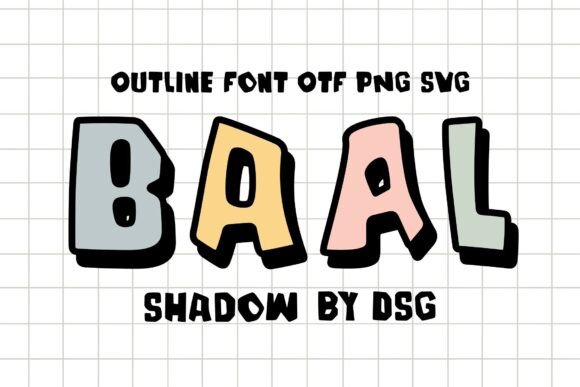
In a sea of clean, minimalist typography, there’s a certain power in a font that refuses to whisper. Baal Shadow is precisely that—a declaration. It’s a premium display font built on a foundation of chunky, hand-drawn letterforms, each one equipped with a bold, integrated shadow. This isn't a delicate script or a neutral sans serif; it's a creative font with a distinct personality, designed to make your titles pop, your headlines command attention, and your visual identity feel instantly more playful and confident.
Think of it as the typographic equivalent of a friendly, confident shout in a crowded room. The rounded edges and slight imperfections of its hand-drawn style prevent it from feeling harsh, while the shadow effect adds a layer of depth and dimension that flat fonts simply can't achieve. This combination makes Baal Shadow exceptionally versatile for projects that need to convey energy, creativity, and a touch of retro charm without sacrificing modern appeal. Whether you're crafting a brand identity for a startup, designing social media graphics, or creating merchandise, this typeface brings a unique blend of impact and approachability.
Where Baal Shadow Truly Shines: Practical Applications
Understanding a font's personality is one thing; knowing where to deploy it is where the real value lies. Baal Shadow excels as a headline or display font, meaning it's crafted for impact at larger sizes rather than for body text. Its core strength is grabbing attention, which makes it a powerhouse for specific applications across digital and print media.
For branding and logo design, it offers a fantastic starting point for businesses in creative, lifestyle, or entertainment sectors. Imagine a boutique coffee shop, a children's play center, or a music festival using Baal Shadow for their logo. The font's playful shadow and hand-drawn feel immediately communicate a fun, approachable, and creative brand personality. It pairs exceptionally well with a simple, clean sans serif font for body copy, creating a dynamic visual hierarchy that is both engaging and professional.
In marketing and advertising, its role is clear: stopping the scroll. For social media graphics, event posters, or banner ads, a headline set in Baal Shadow has an inherent three-dimensional quality that makes it stand out on a flat screen. It’s equally effective in print—think eye-catching magazine titles, dynamic book covers, or vibrant packaging design for products targeting a younger or more creative demographic. The font's style can influence how a product is perceived, often signaling innovation, fun, and accessibility.
Beyond commercial projects, this creative font is a favorite among crafters, hobbyists, and content creators. Its chunky style is perfect for digital crafts like printable wall art, greeting card sentiments, or scrapbooking titles. For t-shirt designs and stickers, the shadow effect translates beautifully, adding that sought-after retro or comic-book vibe. Bloggers and YouTubers can use it for channel art, video thumbnails, or featured image titles to establish a recognizable and energetic visual style.
Integrating Baal Shadow: A Designer's Practical Guide
Choosing a font is just the first step. Using it effectively requires thoughtful application. Here’s how to integrate Baal Shadow into your projects with confidence.
- Evaluate the Project Fit: Before you download, consider your project's tone. Baal Shadow is perfect for projects that are playful, bold, youthful, energetic, or creative. It might not be the right choice for a traditional law firm's annual report or a luxury spa's minimalist menu, where a sophisticated serif font or a delicate script font would be more appropriate.
- Master Font Pairing: The key to using any strong display font is balance. Baal Shadow demands to be the center of attention. Pair it with a simple, highly legible sans serif font like Open Sans, Lato, or Montserrat for body text, subheadings, or supporting information. This creates a clear visual hierarchy, ensuring your message is both impactful and readable.
- Review Included Styles: A good premium font often comes with more than one style. Check if the Baal Shadow package includes alternate characters, stylistic sets, or different shadow weights. These variations can give you more creative control, allowing you to fine-tune the look for different contexts while maintaining brand consistency.
- Prioritize Readability: Always test your designs at the intended size and in the intended context. While it's designed for headlines, ensure the letter spacing (tracking) is sufficient so the characters don't blur together, especially at smaller display sizes. The shadow effect should enhance, not obscure, the letterforms.
- Understand Commercial Licensing: This is a critical step, especially for entrepreneurs and businesses. Before using Baal Shadow in any commercial project—from a client's logo to merchandise for sale—carefully review the font's license. Ensure it covers your specific use case, whether it's for digital products, print media, or embedded in an app or website. Investing in the correct license protects you legally and supports the type designers who create these valuable design assets.
Beyond the Obvious: Unexpected Uses for a Shadow Font
While posters and logos are natural fits, think creatively. Use Baal Shadow for the chapter titles in an editorial design project to add a playful break in the narrative. Employ it for the headings on a dynamic web design landing page aimed at a creative audience. It can even make mundane items like invoices or internal presentation slides more engaging for your team. The font's ability to inject personality is its greatest asset.
Ultimately, Baal Shadow is more than just a typeface; it's a design tool for building recognition and emotional connection. Its bold, hand-drawn character helps create a brand identity that feels authentic and memorable. By applying it strategically and pairing it wisely, you can leverage its unique style to enhance visual hierarchy, boost audience engagement, and ensure your projects don't just communicate—they resonate.